
Wir bauen unsere Maschinen für eine lange Lebensdauer. Die Lieferung einer Maschine ist nur der Anfang. Unser Servicekonzept ist darauf ausgelegt, den reibungslosen Betrieb unserer Maschinen über Jahrzehnte hinweg zu gewährleisten.
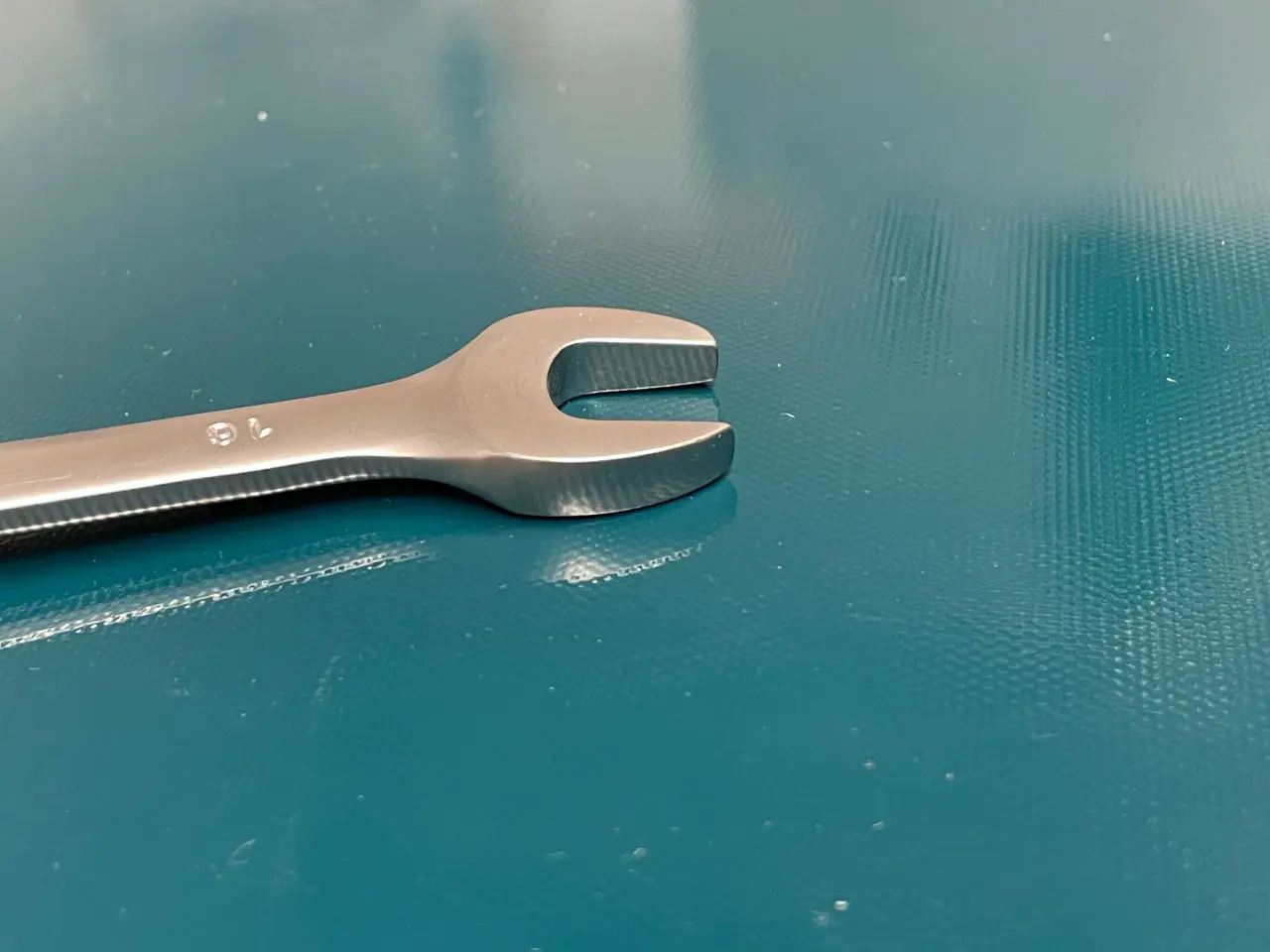
Eine Maschine auszuliefern ist erst der Anfang. Unser Servicemodell ist darauf ausgelegt, unsere Maschinen über Jahrzehnte hinweg am Laufen zu halten.
Sobald eine Maschine Teil Ihrer Produktionslinie ist, wird sie unverzichtbar für Ihren Betrieb. Wenn etwas schiefgeht, zählt nur eines: die Maschine so schnell wie möglich wieder zum Laufen zu bringen.
Unser Support basiert auf einer einfachen Idee: Probleme verhindern, bevor sie entstehen — und wenn das nicht geht, die Wiederherstellung so schnell wie möglich machen.
Alles beginnt beim Design. Wir setzen auf hochwertige Komponenten. Wir eliminieren unnötige Teile. Wir konstruieren so einfach wie möglich — denn einfache Maschinen fallen seltener aus, und wenn doch, sind sie leichter zu reparieren.
Dann bringen wir sie gezielt zum Versagen. Wir treiben unsere Maschinen an ihre Grenzen, lassen sie laufen, bis etwas bricht, und nutzen genau diese Ausfälle, um die nächste Version zu verbessern.
Ein Beispiel: Wir haben rund ein Dutzend verschiedene Grunddesigns unseres Greifers durchlaufen. Jedes einzelne davon wurde in zahlreichen Iterationen weiterentwickelt und bis zum Versagen getestet. Jeder Ausfall führte zu einem verbesserten, robusteren Design.
Es geht nicht darum, eine perfekte Maschine zu bauen. Es geht darum, sicherzustellen, dass wir die Fehlerquellen, die wir finden, bereits gelöst haben.
Jedes mechanische System unterliegt Verschleiss. Lager, Zahnräder, Dichtungen — sie alle haben eine begrenzte Lebensdauer. Das ist Physik, kein Konstruktionsfehler.
Wir sagen Ihnen genau, wann Teile ausgetauscht werden müssen. Wir geben Ihnen die Intervalle.
Die Roboterarme werden jährlich durch eine Testsequenz überprüft. Der Greifermechanismus sollte alle zwei Monate auf Verschleiss und Spiel kontrolliert werden.
Wer rechtzeitig handelt, tauscht ein einzelnes Teil. Wer es verpasst, steht möglicherweise vor einem grösseren Problem.
Wir lagern kritische Ersatzteile direkt bei Ihnen vor Ort. Ihre Maschine wird mit einem ausführlichen Servicehandbuch geliefert, das Ihnen zeigt, wie Sie die meisten Komponenten selbst wechseln können.
Zum Beispiel lagern wir bei unseren Kunden sämtliche Greiferteile, Pneumatikschläuche und Verbindungsstücke. Diese lassen sich im Bedarfsfall jeweils in wenigen Minuten austauschen.
Bei den meisten Problemen müssen Sie nicht auf uns warten. Sie beheben es selbst und sind innerhalb einer Stunde wieder in Betrieb.
Wenn etwas unklar ist oder Sie sich nicht sicher sind, ob tatsächlich ein Problem vorliegt — wir sind da. Wir können uns per Fernzugriff mit Ihrer Maschine verbinden, Protokolle und Sensordaten abrufen und Ihnen erklären, was passiert.
Die meisten Probleme lassen sich so lösen. Kein Stillstand. Kein Techniker nötig.
Wenn ein Problem alle vorherigen Ebenen übersteht — und manchmal passiert das — schicken wir einen Techniker mit den nötigen Ersatzteilen. Unser Ziel: innerhalb von 24 Stunden vor Ort. Und das Beste: Es ist wahrscheinlich der Ingenieur, der die Maschine konstruiert hat.
Das ist unser System. Durchdachtes Design und vorbeugende Wartung sorgen dafür, dass Stillstände selten bleiben. Und wenn es doch dazu kommt — denn irgendwann passiert es — sorgen die weiteren Ebenen dafür, dass Sie schnell wieder produzieren.
Ihre Verfügbarkeit liegt uns genauso am Herzen wie Ihnen.
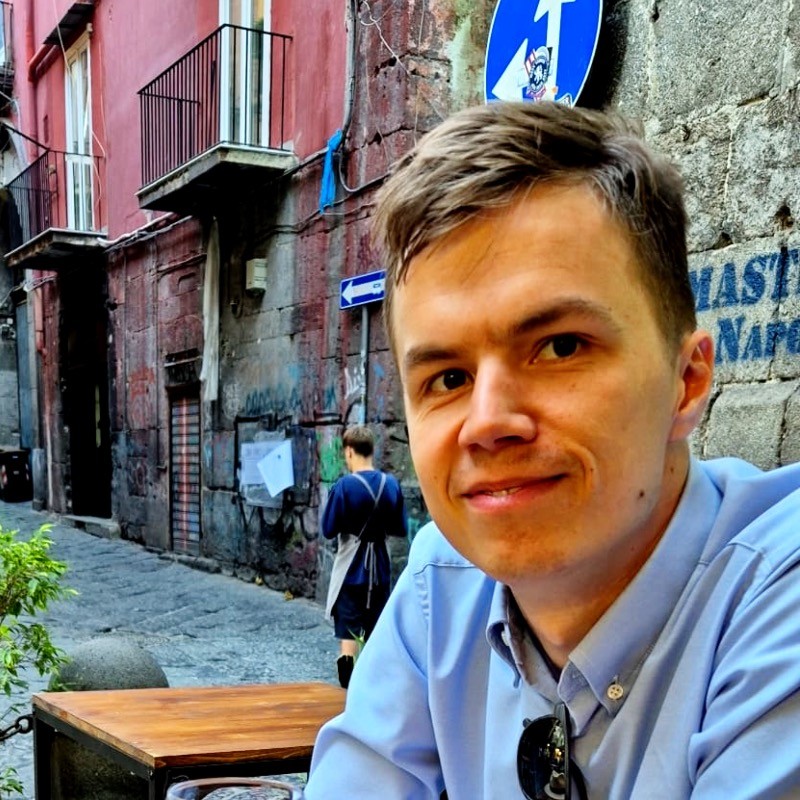
Kenneth ist der CEO von Witty Machines. Er promovierte am der ETH Zürich, wo er Robotern beibrachte, Objekte anhand einiger Beispiele wahrzunehmen und mit ihnen zu interagieren. Davor war er ein früher Ingenieur bei Wolt und Webflow. Aus Helsinki, Finnland. Er mag einfache Maschinen und analoge Technologie.
